The problem we solve
Healthcare fragmentation is a global problem. In the United States, 57.9% of adults are treated within highly fragmented systems, generating $4,542 in additional avoidable annual spending per patient. Globally, healthcare has led all industries in data breach costs for 14 consecutive years, averaging $7.42 million per incident — a direct reflection of disconnected, legacy, and non-interoperable systems. In Latin America, 68% of healthcare CIOs rank interoperability as their top IT investment priority through 2027, and chronic diseases are projected to cost the region $7.3 trillion by 2050.
Modern medicine is deeply dependent on diagnostic imaging. Studies show that in chest radiography cases, 70% of diagnoses and 62% of treatment plans are changed after the exam is performed. Clinicians give a median score of 9 out of 10 to the value of medical imaging in improving patient outcomes, and 87% expect imaging utilization to increase over the next ten years. The exam is not a complement to the clinical decision: it is a central part of it.
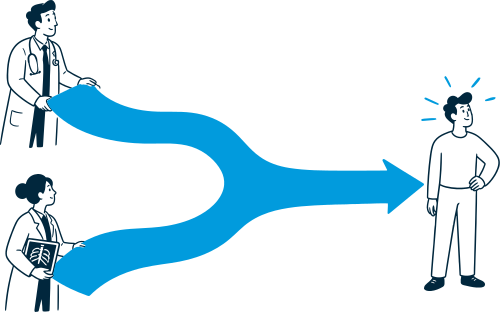
In practice, however, patients do not follow a straight line from diagnosis to treatment. Their paths cross between public and private systems, leaving behind fragmented data trails that make it difficult to see the full picture. The lack of structured communication between electronic health records, laboratory platforms, and imaging systems prevents a comprehensive view of the patient journey. The result: exams are repeated, diagnostic accuracy drops when the radiologist lacks access to the patient's clinical history, decisions are made without context, and coordinated care between multidisciplinary teams is compromised.Connecting the clinical and diagnostic journeys is not a technological convenience. It is a clinical necessity.











.avif)
.avif)
.avif)